Certified
ISO 13485
Market Leader
healthcare industry
Best Selling
3d printer
CONTACT US

SLS 300

About this printer

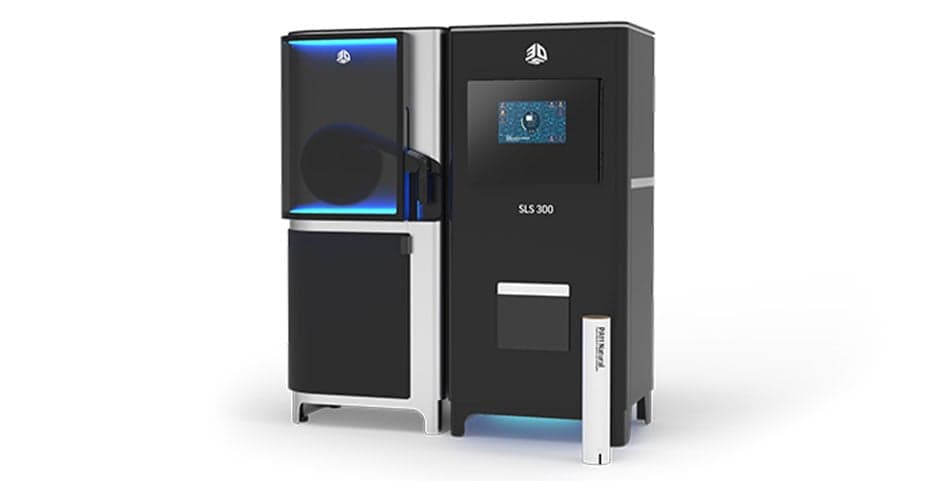
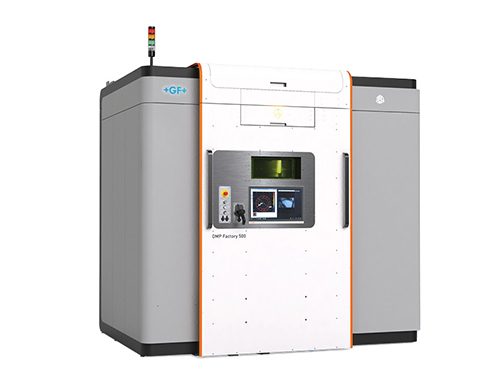
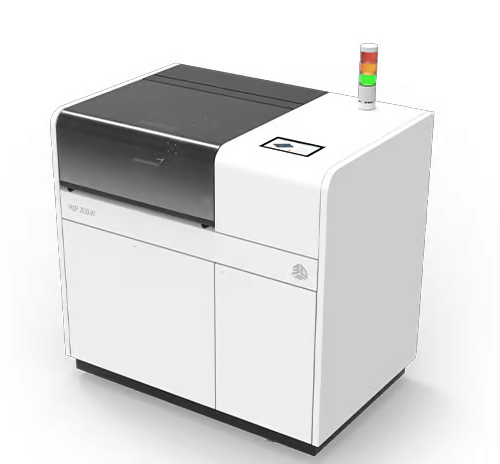
The SLS 300 is a selective laser sintering (SLS) 3D printer designed for producing high-quality, durable, and functional parts directly from powdered materials. Known for its precision and reliability, the SLS 300 is ideal for applications in industries such as aerospace, automotive, consumer products, and medical devices. Below are the key specifications and features of the SLS 300

Description


Benefits of the SLS 300
  • Strong and Flexible

    SLS 3D-printed parts with mechanical properties as strong as injection molding without the need for complex infrastructure or expertise.

  • Patented Powder System

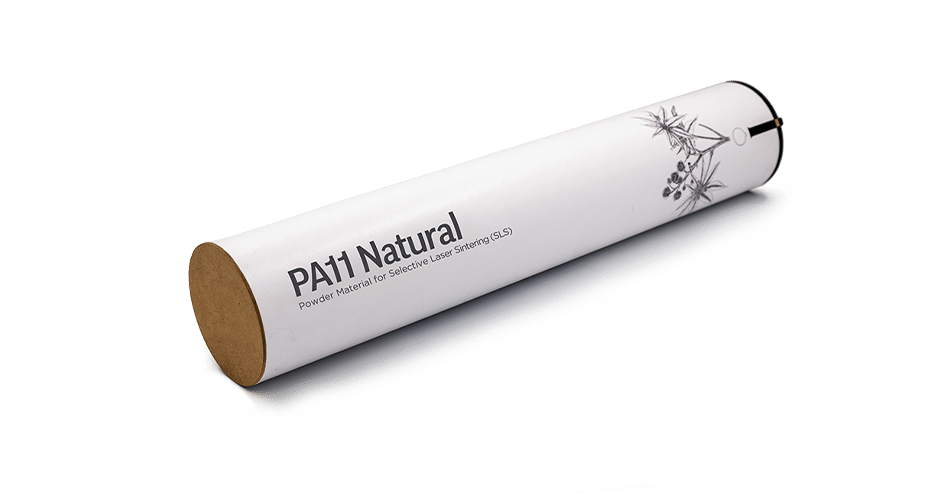
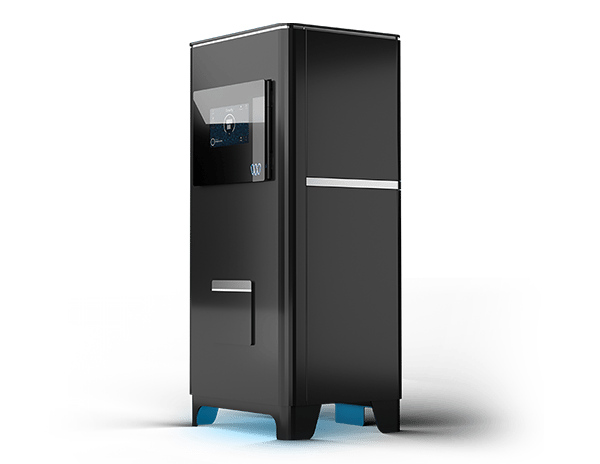
    Thanks to our patented packaging, you do not come into direct contact with any powder when filling the machine.

  • Work Remotely

    Start and monitor print jobs remotely to increase productivity and resource consumption.

  • Easy To Use

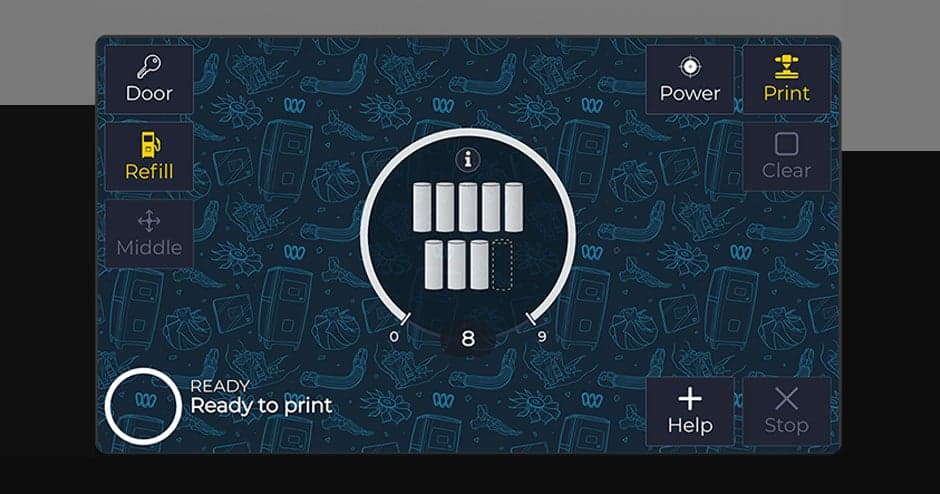
    Simple user interface guides you through the end-to-end printing process to maximize uptime and productivity.

  • Plug and Play

    CE-certified, easy to install ecosystem that is up and running in less than an hour from delivery. You only need access to a power outlet to start your AM production.


________________________________________________________________
_____________________________________________________________________________________________
_____________________________________________________________________________________________
Compact Size with a Maximum Build Capacity

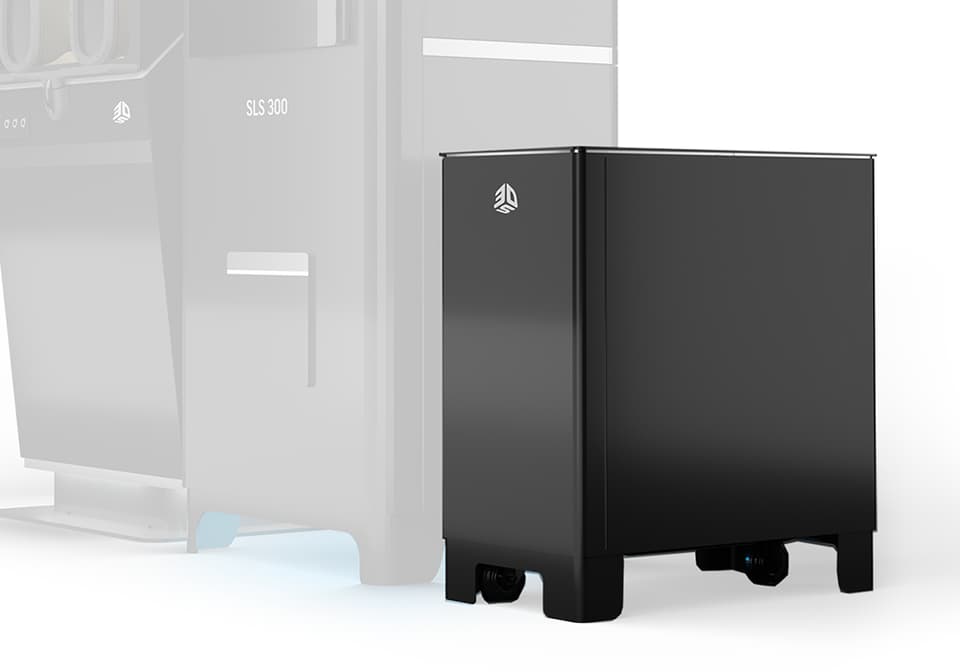
The SLS 300 has a small footprint while offering big opportunities. The printer takes only 0.45 sq. meters or 4.8 sq. ft. floor space with no infrastructure needed. It uses standard power, is low in office noise levels and requires no chiller or fume extractor.

Specifications of the SLS 300:

1. Technology:

  • 3D Printing Technology: Selective Laser Sintering (SLS)
  • Laser Type: High-powered CO2 laser for efficient and precise sintering of powder materials.

2. Build Volume:

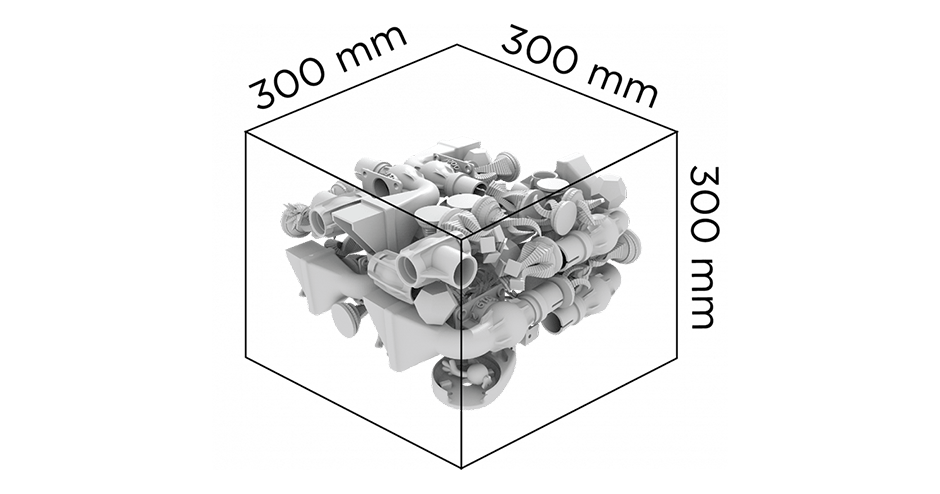
  • Max Build Size: Approximately 300 x 300 x 300 mm (12 x 12 x 12 inches)
  • The build volume is suitable for both mid-sized single parts and high-volume production of smaller parts in one batch.

3. Print Resolution and Accuracy:

  • Layer Thickness: Adjustable between 60 to 120 microns, allowing for customization based on the required balance between detail and speed.
  • Accuracy: Capable of producing parts with tight tolerances and high dimensional accuracy, making it reliable for parts that need to fit precisely.
  • Detailing: Fine feature resolution ensures the production of parts with intricate geometries.

4. Materials:

  • Material Type: Nylon-based powders, including PA 12 (Polyamide 12), PA 11, and composite materials.
  • Material Properties: Options include materials that are impact-resistant, flexible, or high-strength, catering to various engineering and functional needs.
  • The use of powdered materials allows for near-100% part density and excellent mechanical properties.

5. Surface Finish:

  • Surface Quality: Typically produces a slightly rough, granular finish that can be post-processed to a smoother state if needed.
  • Post-Processing: Parts can be dyed, smoothed, or coated depending on end-use requirements.

6. Software Integration:

  • Software: Comes with proprietary or third-party software options for build preparation, part nesting, and job management.
  • File Support: Compatible with STL and other common 3D file formats for seamless integration with CAD programs.

7. User Interface and Control:

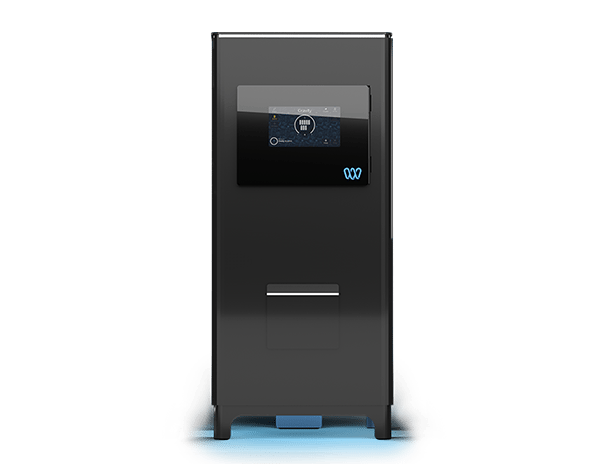
  • Interface: Touch-screen or computer interface for easy operation and monitoring.
  • Automated Systems: Features such as automated powder handling and part cooling to enhance efficiency and operator safety.
  • Control Options: Provides detailed customization for print parameters to optimize the process based on specific material and part requirements.

8. Applications:

  • Functional Prototyping: Ideal for creating strong, durable prototypes that can be tested for form, fit, and function.
  • End-Use Parts: Used for small batch production of final parts, especially when traditional manufacturing methods are not cost-effective.
  • Tooling: Effective for producing complex jigs, fixtures, and molds that require high strength and durability.

Key Advantages:

  • Durability: The SLS 300 produces parts with strong mechanical properties that can withstand functional testing and real-world applications.
  • Material Efficiency: Unused powder can be recycled, reducing material waste and lowering production costs.
  • Scalability: Suitable for both prototyping and short-run production, making it versatile for different stages of product development.
  • Complex Geometry: Capable of producing parts with intricate details, including interlocking components and internal structures, without the need for support structures.

The SLS 300 is a powerful 3D printer for those seeking reliable, high-quality SLS technology that can cater to demanding prototyping and production needs. With its robust build and advanced features, it offers users the flexibility to create complex, functional parts with excellent mechanical properties.


SLS 300 3D Printer
SLS 300 3D Printer
SLS 300 3D Printer